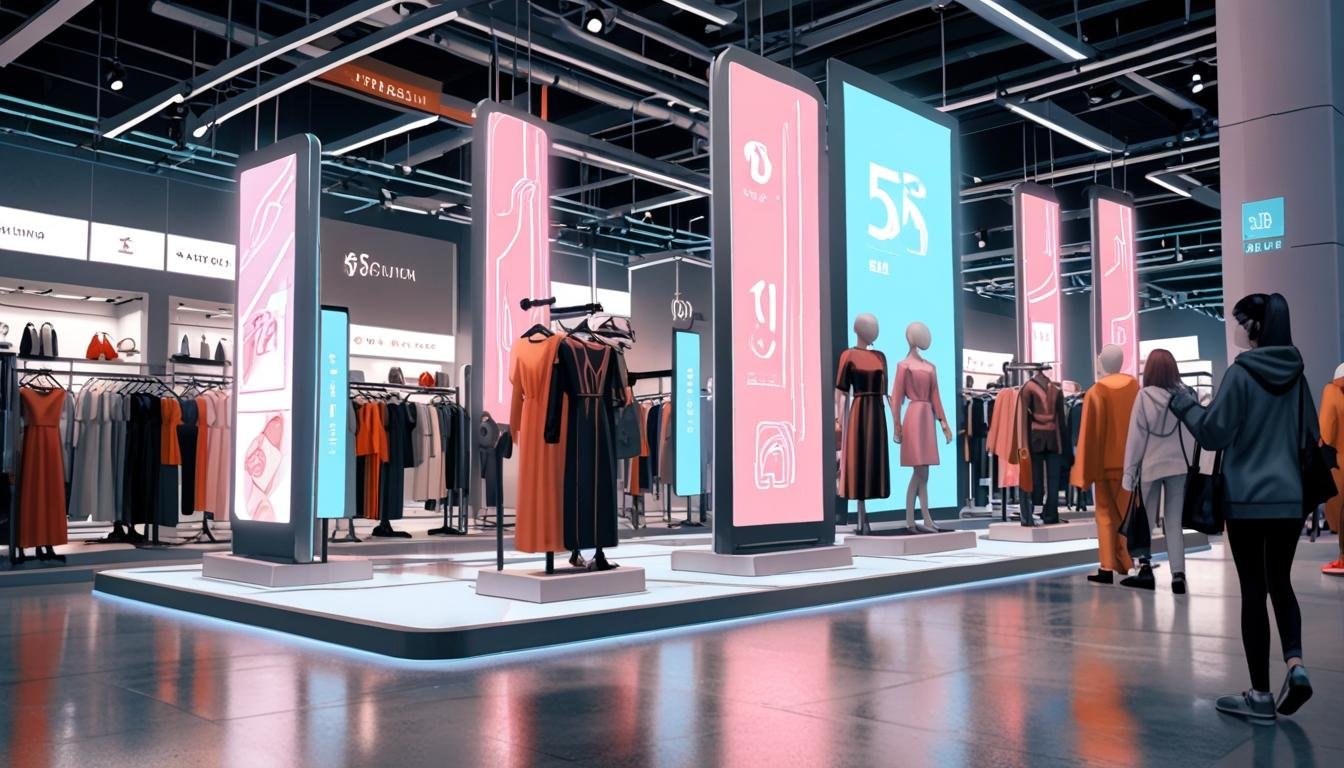
**London**: The retail landscape is evolving with trends like tariffs impacting pricing, advanced inventory management through RFID, the rise of AI, and aesthetics influenced by social media, as retailers prepare to adapt strategies for the shifting demands of consumers in 2025.
The retail landscape is poised for significant changes in 2025, driven by a combination of evolving consumer behaviours and advancing technologies. As outlined in the March 2025 issue of Inside Retail, several key buzzwords have emerged that will shape the future of shopping.
The first buzzword is “Tariffs and dynamic pricing.” With a 25 percent tariff imposed on numerous goods from Mexico and Canada, a 10 percent tariff on Chinese imports, and a similar tariff on steel and aluminium, retailers are confronted with increasing costs that impact pricing structures. Nobel Laureate economist Joseph Stiglitz noted, “virtually all economists think that the impact of the tariffs will be very bad for America and for the world.” As consumers become more cautious with their spending, a shift from “spaving” (spending more to save more) to simply trying to save is anticipated. Retailers will need to adopt dynamic pricing strategies that are perceived as beneficial rather than exploitative, potentially tagging discounts on near-expiry products and offering personalised deals based on shopping history.

The second noteworthy term is “RFID and Inventory management.” With return rates in retail averaging nearly 15 percent and online returns touching 18 percent, effective inventory management is becoming increasingly critical. Over 90 percent of retailers have adopted RFID tagging, which provides detailed data that enhances supply chain management, reduces waste, and improves sustainability reporting in light of new Environmental Protection Agency regulations. This technology enables faster product replenishment and can help retailers avoid the excess inventory issues seen during the 2022 holiday season.
Another buzzword making waves is “Generative AI and agentic AI.” While generative AI has gained traction in terms of creating personalised content for consumers, the concept of agentic AI, which uses generative capabilities to plan and execute tasks autonomously, is still in its infancy in retail. Retailers can benefit from leveraging this technology to tailor shopping experiences. However, there remains a gap as consumers acclimatise to these innovations, indicating that widespread implementation may require additional time.
Lastly, the term “Vibes and aesthetics” reflects the influence of social media platforms like TikTok, Pinterest, and Instagram on shopping behaviours. Young consumers desire specific aesthetics and visuals, prompting retailers to adapt their search functionalities and visual merchandising accordingly. Brands are encouraged to use innovative descriptors and visual characteristics to engage consumers more effectively, as demonstrated by retailers like Revolve, which successfully curates products by style categories.
The article suggests that while several of these trends seem to hark back to previous retail conversations, such as tariffs during the Trump administration and earlier RFID adoption, their resurgence indicates an ongoing evolution in consumer expectations and technological capabilities. Retailers will need to navigate this complex environment as they strive to align their strategies with the changing demands and preferences of shoppers.
Source: Noah Wire Services