


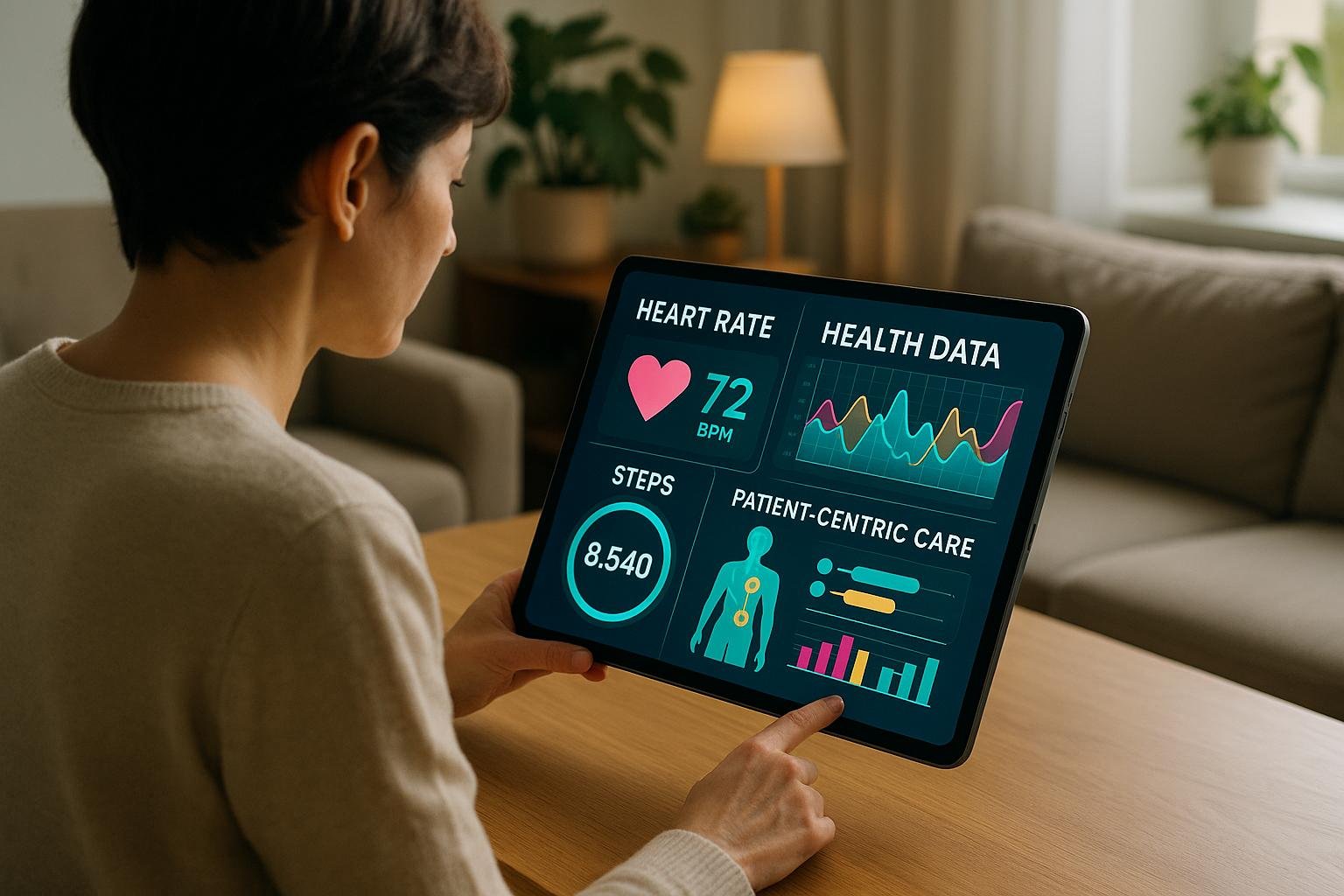
RPM is transforming healthcare delivery by enabling continuous, data-driven oversight outside clinics, offering improved outcomes and new opportunities for device vendors amid technological advances and regulatory challenges.

Remote Patient Monitoring (RPM) is reshaping how clinics and hospitals deliver care, shifting treatment from episodic, facility-based encounters to continuous, data-driven oversight in patients’ everyday environments. According to the original re...
Continue Reading This Article
Enjoy this article as well as all of our content, including reports, news, tips and more.
By registering or signing into your SRM Today account, you agree to SRM Today's Terms of Use and consent to the processing of your personal information as described in our Privacy Policy.
The evolution of telehealth
What began as simple video consultations has matured into an ecosystem that supports sustained clinical relationships. Industry data shows RPM platforms now pair wearables and home sensors with predictive analytics to detect deterioration earlier and prompt interventions remotely. The result is a more proactive form of care that extends clinicians’ reach outside the clinic.
Clinical case for RPM
Clinics and hospitals stand to gain on several fronts. RPM enables continuous monitoring of high‑risk and chronic patients , for example those with heart failure, diabetes or respiratory disease , allowing clinicians to act on trends rather than intermittent snapshots. According to the original report, that capability can reduce avoidable emergency visits and readmissions, freeing inpatient capacity and lowering costs. Additional trade and sector analyses emphasise faster access to accurate patient data, improved patient engagement and better adherence to care plans as consistent benefits.
Operational and financial impacts
Operational efficiency follows from targeted resource allocation: staff can prioritise patients flagged by analytics, while routine in‑person reviews are reduced. Vendor and hospital pilots reported quantifiable cost savings through reduced length of stay and fewer readmissions, and several sources note RPM supports value‑based payment models by documenting outcomes between visits.
Vendor opportunity and product focus
For device makers and platform vendors, Telehealth 2.0 opens a sizeable B2B market. High‑demand segments include wearable cardiovascular and respiratory sensors, continuous glucose monitors, pulse oximeters and clinician dashboards that aggregate multi‑device streams. The original report highlights opportunities for vendors to differentiate through AI‑driven anomaly detection, predictive alerts and seamless integration with electronic health records (EHRs). Market commentary also stresses the commercial value of bundled RPM packages , hardware, software and analytics sold as subscription services to hospitals and clinics.
Technology trends and integration
Three technological currents power RPM: ubiquitous IoMT devices that capture physiologic signals, cloud platforms that store and normalise data, and machine learning models that turn streams into actionable insights. Industry sources note that these elements together enable teleconsultations enriched with predictive context, and allow preventive care models to be delivered at scale.
Barriers and compliance
Adoption is not without challenges. Data security and patient privacy remain paramount: vendors and providers must meet regulatory frameworks such as HIPAA and GDPR to build trust. Interoperability with legacy EHRs is another persistent hurdle; analysts point out that vendors who provide plug‑and‑play, standards‑based integrations will gain traction. Patient engagement and device adherence also determine programme success, making user experience and automated reminders critical design elements. Finally, scalability and cost‑effectiveness determine whether solutions suit both large hospitals and smaller clinics.
Regulatory and ethical considerations
The original report highlights the need for clinical validation and regulatory compliance. Independent verification of device accuracy and transparent AI governance are increasingly important to clinicians and purchasers, and adherence to medical device certification processes remains a gating factor for widespread deployment.
Future outlook
Looking ahead, Telehealth 2.0 is likely to deepen integration of RPM into routine care. Emerging models cited across industry briefings include subscription‑based RPM services offered by clinics, preventive care packages centred on wearables and analytics, and teleconsultations augmented by predictive alerts. Regional forecasts show particularly strong growth in North America, Europe and Asia‑Pacific, and analysts expect vendors that deliver interoperable, clinician‑friendly platforms to capture the largest market share.
Conclusion
According to the original report, RPM has moved from an optional add‑on to a strategic necessity for modern healthcare providers. When combined with robust integration, validated analytics and attention to privacy and usability, RPM can improve outcomes, lower costs and transform care pathways , while offering device vendors and platform providers a fast‑growing B2B opportunity in the Telehealth 2.0 era.
Source: Noah Wire Services
Subscribe to Industry Updates

