


Quest Technology Management leverages over 30 years of experience to integrate strategic planning, engineered recovery, and purpose-built facilities, elevating operational resilience from a technical concern to a boardroom priority amid growing cyber threats and complex supply chains.

As organisations confront rising cyber threats, complex supply chains and ever-tighter compliance demands, operational resilience has moved from a technical concern into a boardroom impera...
Continue Reading This Article
Enjoy this article as well as all of our content, including reports, news, tips and more.
By registering or signing into your SRM Today account, you agree to SRM Today's Terms of Use and consent to the processing of your personal information as described in our Privacy Policy.
Rather than treating continuity plans as static documents, Quest says it builds programmes directly with executives and IT teams to reflect real operational dependencies and decision-making lines. The company claims this approach closes process gaps, clarifies who does what during an incident and unifies supplier readiness, internal recovery teams and IT disaster recovery into a single response framework. According to Gartner, such an orientation , preparing to adapt, endure and rebound rather than simply avoiding disruption , is central to modern operational resilience.
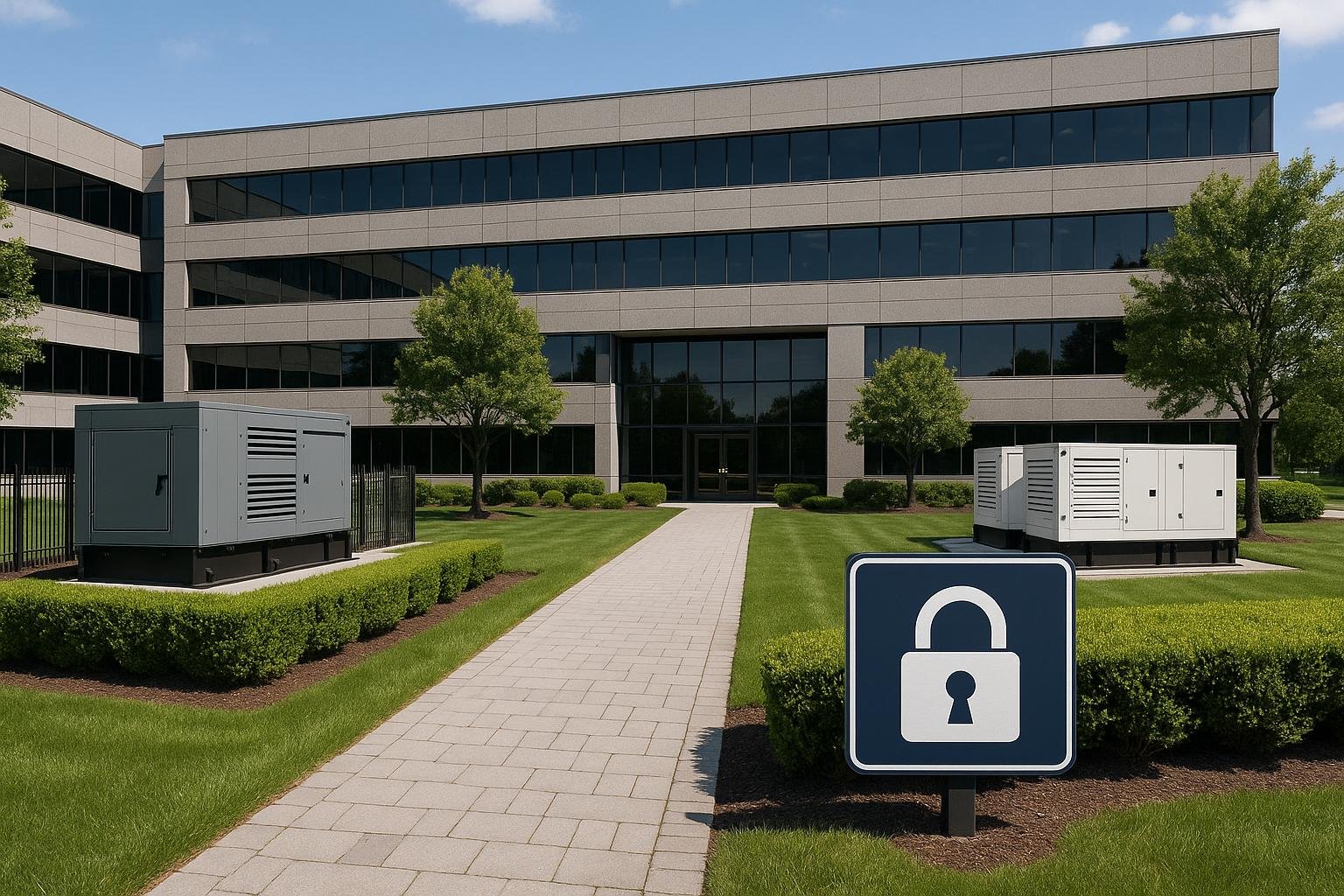
Quest further bolsters its planning with a dedicated recovery environment. Its High Availability Business Centre in Roseville, California, and a Business Resumption Center located in McClellan Park, Sacramento, are described as low-risk, reinforced facilities equipped for command-and-control operations, secure communications and 24/7 monitoring. Datacentermap lists the McClellan Park site as offering data vaulting, replication, hosted servers and onsite technical support, a portfolio that the company uses to claim rapid restoration of business functions when primary sites become unavailable.
Technical recovery is presented as engineered and measurable. Quest says it conducts detailed readiness assessments to map infrastructure dependence, set recovery time and point objectives, and design failover and restoration processes backed by redundancy, off-site datacentres and cloud-enabled recovery options. Industry analysis warns that while disaster recovery and business continuity remain essential, true operational resilience requires integrating these capabilities with wider service-delivery concerns; IBM notes that resilience covers the full spectrum of factors that support critical business services, not only scenario-driven recovery plans.
Training and rehearsal form another pillar of Quest’s offering. The company delivers Business Continuity and Disaster Recovery workshops intended to validate emergency communications, exercise recovery roles and translate strategy into an executable blueprint. Optiv’s guidance aligns with this emphasis, advising organisations to prioritise key services, build ownership across the business and embed resilience into third-party management , steps that reduce the chance that recovery plans remain theoretical rather than operational.
Quest integrates vendor technologies into its architectures and promotes a service model, QuestFlex®, for predictable monthly delivery and support. The firm highlights backup capabilities for Microsoft 365 workloads among its technical building blocks. The Business Continuity Institute has cautioned, however, that simply adopting resilience terminology does not guarantee meaningful operational outcomes; embedding senior-management engagement and cross-disciplinary collaboration is often the deciding factor between plans on paper and resilient operations in practice.
Tim Burke, founder and CEO of Quest, is quoted as saying: “We are in it for the long haul and not here to just sell a box or a product but to help customers achieve their specific business goals with tailored technology solutions.” The company’s messaging frames resilience as an ongoing operational discipline that blends strategic planning, engineered recovery, rehearsed response and physical infrastructure , an approach that, if executed and governed across the enterprise and its suppliers, aligns with prevailing industry guidance on building effective operational resilience.
Source: Noah Wire Services
Subscribe to Industry Updates

