


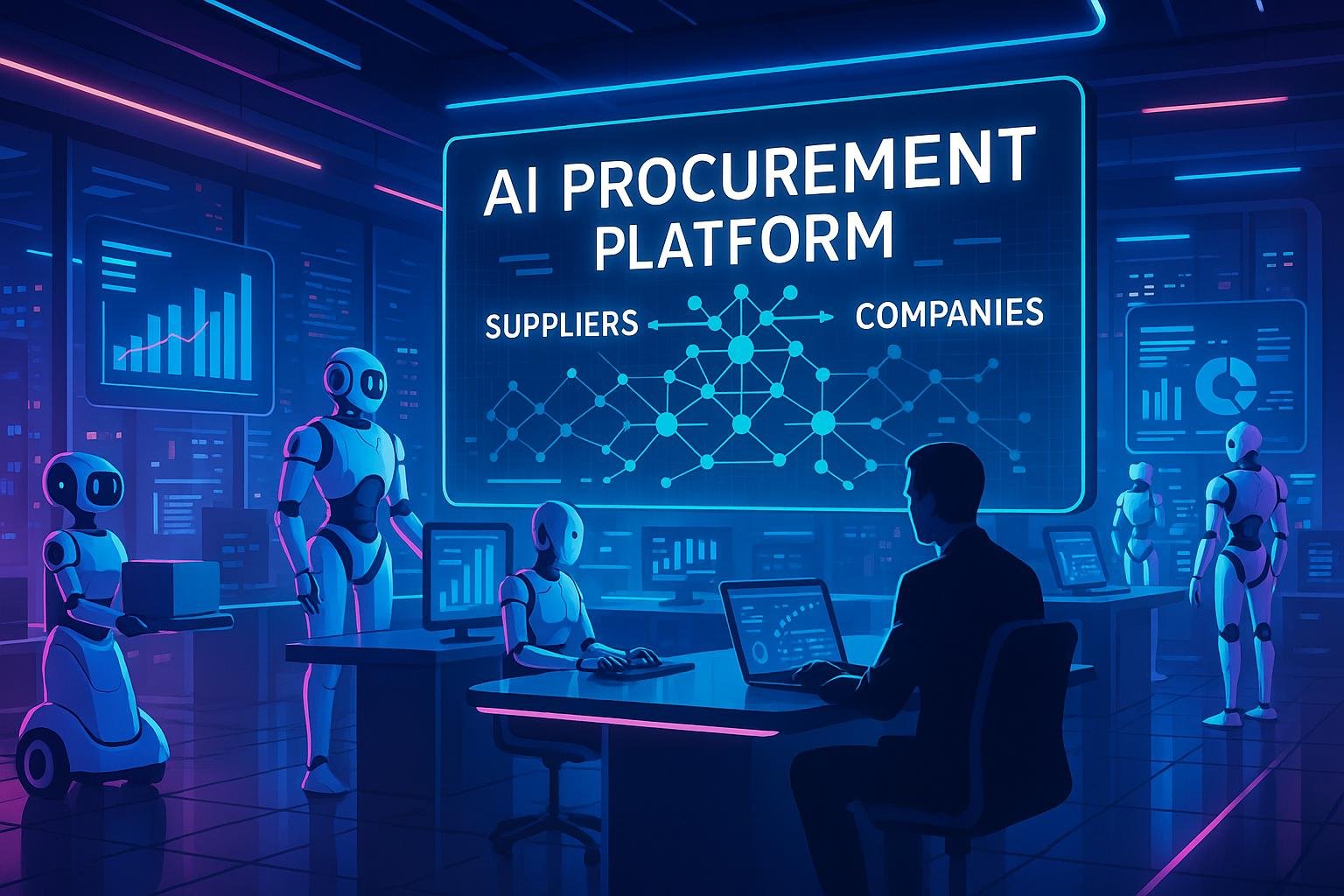
Shaz Khan, CEO of Vroozi, shares how procurement is transforming into a strategic partner through AI, relationship building, and cultural shifts, redefining its role in organisational growth and innovation.

Shaz Khan, founder and CEO of Vroozi, has spent over a decade pioneering the transformation of procurement from a traditionally transactional function into a strategic, value-driving centre of excellence within organisations. His journey reflects a nuanced understanding of how procurement must evolve, shaped by both personal leadership insights and sector-wide shifts.
Khan describes a fundamental mindset shift in procurement, from a “whatever it takes” approach to one grounded in empathy and fostering meaningful relationships. He emphasises that procurement is not merely about winning deals but about building long-term partnerships that open future opportunities. This relational approach aligns with a broader industry trend positioning procurement as a strategic business partner, integral to product innovation and organisational agility.
Rather than functioning solely as a cost-containment unit, procurement teams are increasingly branded as “Procurement First” organisations. Khan advocates for procurement to brand itself as a centre of excellence, extending its influence beyond sourcing to actively contribute to product development and sustainability initiatives. For example, procurement can guide teams on competitive sourcing of sustainable materials, thereby enhancing product quality and lifecycle outcomes. This strategic repositioning reflects findings by industry leaders such as EY and Oliver Wyman, who highlight procurement’s role in embedding sustainability and driving business growth through internal partnerships.
The infusion of artificial intelligence into procurement processes represents a profound turning point. Khan distinguishes between task-driven AI agents that handle discrete functions—like supplier risk assessment and purchase order execution—and more sophisticated autonomous AI agents that require highly disciplined human oversight. While both types can coexist, the widespread adoption of autonomous AI in procurement is tempered by inherent risks, including potential overpayment. This careful approach echoes McKinsey’s advocacy for leveraging digital tools and analytics to elevate procurement’s strategic impact while balancing technology integration with risk management.
Procurement’s evolving dual mandate involves acting as the enterprise’s protector—ensuring policy compliance and cost control—while simultaneously fostering innovation through cross-departmental collaboration. Khan imagines procurement as innovation gatekeepers who pilot initiatives such as innovation labs and manage the organisation’s application stack. This dual role transforms procurement from a cost centre into a potential profit centre, a vision supported across industry reports that call for procurement to shift from transactional oversight to value creation and innovation leadership.
One underexploited area Khan identifies is gamification as a catalyst for smarter spending behaviour. Traditional procurement struggles with employee compliance since staff often lack incentives to adhere to policy during spending. By gamifying procurement behaviour and rewarding adherence—even through non-monetary incentives—organisations can align employee actions with strategic savings goals. This behavioural nudging complements data-driven strategies increasingly central to modern procurement teams.
Speed and agility also figure prominently in procurement’s future. Khan highlights how AI can compress traditionally lengthy “source-to-pay” cycles—often requiring months—into hours, accelerating supplier identification, negotiation, and decision-making. This rapid cadence is crucial as enterprises compete in environments characterised by volatility and fast-moving supply chains. However, companies must balance this speed against tolerable risk levels, a tension reflected in recent research advocating agile procurement operating models.
Procurement teams are evolving with new day-to-day roles that include robust data governance, cleansing, and mining. According to Khan, “clean enough” data is vital for effective AI utilisation, and procurement professionals are becoming adept “Sherlock Holmes” figures, extracting actionable insights from complex data stores. This emphasis on data literacy and analytics capability aligns with recommendations from McKinsey and other thought leaders who stress investment in talent to unlock procurement’s full potential.
Vroozi itself has advanced the procurement technology frontier by automating purchase requisition processing directly from supplier documentation such as quotes and contracts. This capability trims weeks of manual data entry to minutes, simultaneously enhancing financial visibility through detailed bills of materials with accurate coding. Such innovations not only improve operational efficiency but empower procurement leaders with clear spend transparency.
Khan emphasises that cultural and organisational shifts must underpin these technological advances. To elevate procurement beyond back-office transactional tasks, executive commitment is required to increase procurement’s visibility, leadership, and governance role within companies. Procurement departments are tasked with global data governance and security considerations, often expected to do more with leaner teams augmented by AI. Achieving parity between people and technology, he suggests, is critical for the future of procurement.
Looking ahead, Khan foresees procurement firmly established as both a profit centre and an engine of innovation within enterprises. He predicts it will emerge as the function with deepest insights into supply chain and revenue operations. Vroozi aims to accelerate this evolution by equipping procurement teams with AI-enabled tools that equalise technology access and amplify strategic impact.
These perspectives resonate strongly with broader industry analytics. Reports from EY, McKinsey, Oliver Wyman, and others project procurement’s transformation into a strategic enabler that drives competitive advantage through category management, sustainability integration, and digital adoption. Procurement’s future is intertwined with agility, advanced data capabilities, and a role that transcends cost control to encompass enterprise-wide innovation and resilience. As Khan’s vision illustrates, procurement’s reinvention is essential for companies navigating increasingly complex and dynamic business landscapes.
Source: Noah Wire Services

