


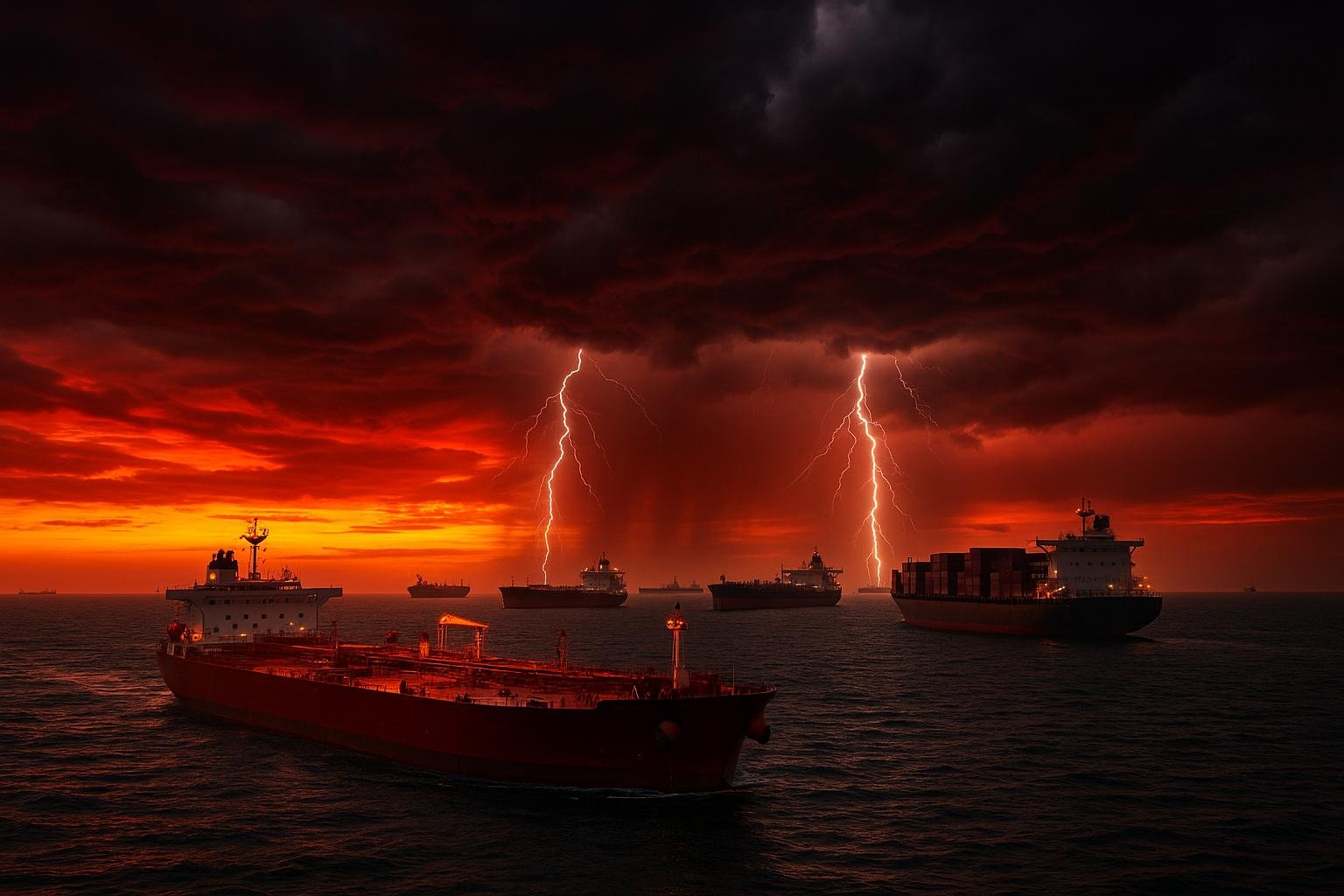
Oil prices surged by 10% amid escalating tensions in the Middle East, as tanker traffic in the Strait of Hormuz ground to a halt, prompting US emergency measures to secure global energy supplies and mitigate price spikes.

Oil surged sharply this week as fighting in the Middle East sent tanker traffic in the Strait of Hormuz to a near standstill, stoking fears of a sustained supply shock and forcing the United States to step in with emergency measures.
Prices clim...
Continue Reading This Article
Enjoy this article as well as all of our content, including reports, news, tips and more.
By registering or signing into your SRM Today account, you agree to SRM Today's Terms of Use and consent to the processing of your personal information as described in our Privacy Policy.
In a bid to restore movement and calm markets, President Donald Trump said he had ordered the US International Development Finance Corporation to provide risk insurance to shipping lines, promising “more actions to come”. He also told reporters at the White House that the US Navy would escort tankers through the strait if necessary and that the government would offer financial and logistical assistance to keep energy supplies flowing. Speaking on Tuesday, Mr Trump defended the decision to strike, saying “something had to be done” about the Iranian regime and conceding the measures “might lead to high oil prices ‘for a little while’”, but adding: “As soon as this ends, those prices are going to drop, I believe lower than even before.”
Multiple news organisations reported the administration’s package would include political‑risk insurance and guarantees underwritten by the Development Finance Corporation, and that naval escorts could be deployed to protect transiting vessels. According to Al Jazeera and Axios, the offer of cover was pitched as being available at a “very reasonable price”, while industry publication Insurance Journal described the move as one of the administration’s most aggressive attempts to blunt an energy shock. Shipping trade press said the measures aim to shield maritime firms from the financial fallout and to reassure markets that crude can continue to move through the Gulf.
Markets reacted to the intervention. Commodity reports observed an initial pullback in oil after the insurance announcement, but analysts cautioned that any prolonged interruption to exports could push crude above $100 a barrel, a level that would feed through into higher petrol prices globally. In the United States, where domestic production has moderated the pass‑through from international markets in recent years, a sustained spike would still be felt at the pump, market commentators warned.
The White House said Mr Trump was due to meet with Energy Secretary Chris Wright and Treasury Secretary Scott Bessent to co‑ordinate the response and further measures to address the energy disruption. Industry sources and shipping analysts have stressed that while government guarantees and naval protection can reduce short‑term market panic, reopening secure, sustained commercial insurance and ensuring the physical safety of shipping lanes will be decisive for long‑term stability.
As governments move to contain the immediate fallout, the episode has highlighted the vulnerability of global energy supply chains to concentrated geographic risks. The combination of concentrated transit routes, suspended private insurance and active hostilities has created a temporary market squeeze that only a return to steady transit and restored insurer confidence will fully relieve.
Source: Noah Wire Services
Subscribe to Industry Updates

