


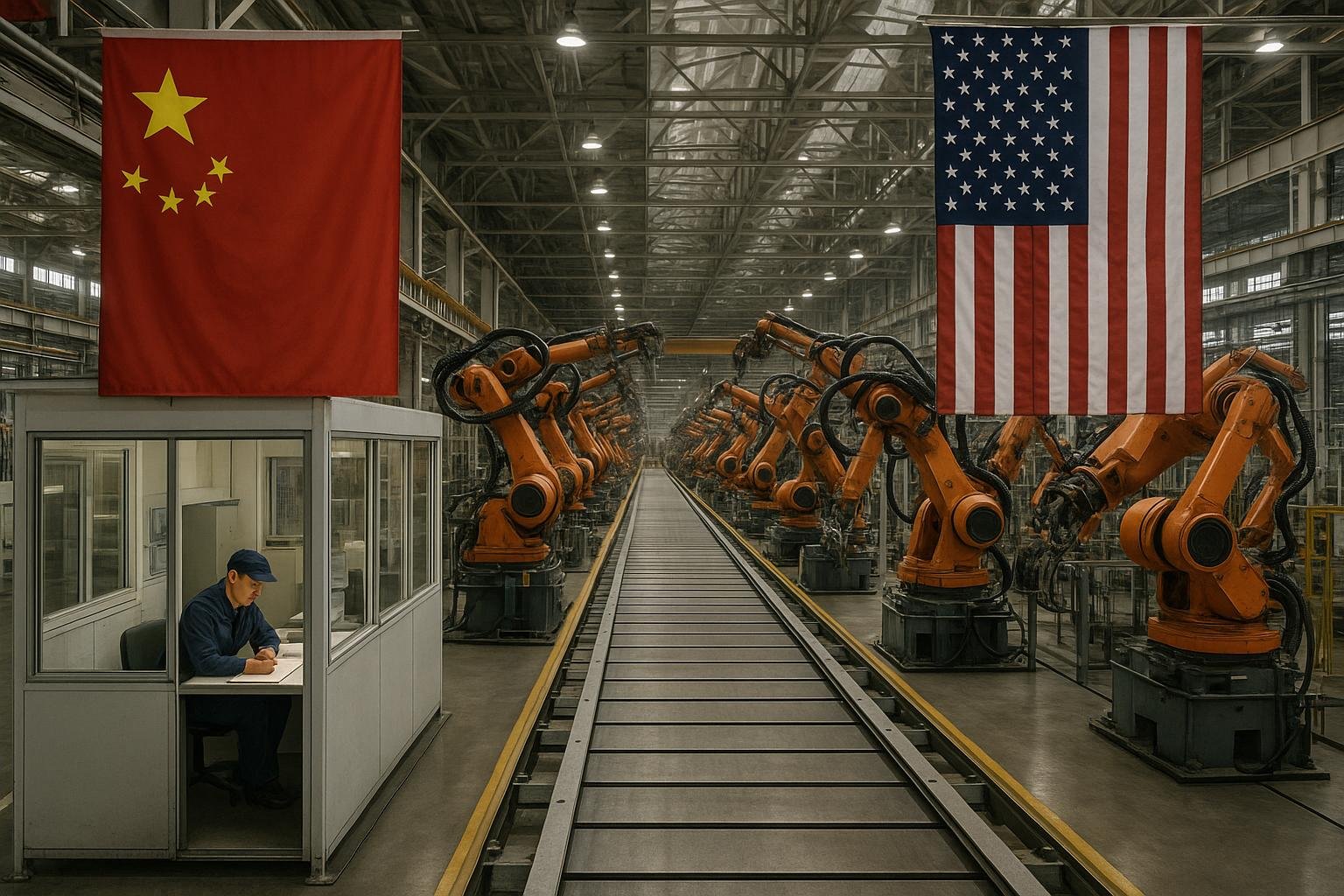
Nvidia faces delays in exporting its H200 AI processors to China amidst intense negotiations over export licensing conditions, highlighting tensions between national security and commercial demands in the US-China tech rivalry.

Nvidia’s bid to reopen sales of its H200 artificial‑intelligence processors to Chinese buyers has stalled amid intense negotiations over export licence conditions that Washington says are necessary to protect national security but which the c...
Continue Reading This Article
Enjoy this article as well as all of our content, including reports, news, tips and more.
By registering or signing into your SRM Today account, you agree to SRM Today's Terms of Use and consent to the processing of your personal information as described in our Privacy Policy.
Sources familiar with the talks told Reuters that the Commerce Department signalled tentative approval for shipments to designated customers, including ByteDance, but the licence has not been finalised because Nvidia and US authorities remain at odds over the practical reach of safeguards. A central point of dispute is a Know‑Your‑Customer provision drafted by US officials to prevent diversion to China’s military or other prohibited end‑uses; Nvidia has pushed back, saying some proposed vetting requirements cannot be implemented at scale without hampering normal business operations. Reuters reports Nvidia is positioning itself between the government and prospective Chinese purchasers, noting it does not unilaterally accept licence terms.
According to the Associated Press, the Bureau of Industry and Security has attached a suite of conditions to any permitted H200 exports: US supply must be prioritised, individual chips are to undergo third‑party testing before shipment, recipients must certify non‑military use and exports to China may not exceed 50% of the volume sold to US customers. The AP also said the Commerce Department’s approach reflects an effort to allow limited exports while containing perceived security risks.
President Donald Trump publicly signalled support for constrained sales to approved Chinese customers late last year, posting that he had informed President Xi Jinping of the US position, a move reported by The Guardian and Dataconomy. Administration officials have since discussed levies on China‑bound chip revenue as a condition of licences; proposals and reporting have differed on the rate, with earlier figures cited at 15% and other accounts indicating a 25% cut. Nvidia has warned investors that any demand for a percentage of sales revenues by the US government could invite litigation, raise costs and weaken US firms’ competitiveness, a risk it disclosed in an SEC filing reported by Business Standard.
The broader regulatory framework moved in January when the Commerce Department shifted from a presumption of denial to case‑by‑case licence reviews for select high‑performance accelerators, Dataconomy and the Washington Post report. Yet implementation has been bumpy. Dataconomy says Hong Kong customs intercepted initial H200 consignments in mid‑January, prompting component suppliers to pause production, and that Beijing later granted conditional purchase approvals to major Chinese firms , including ByteDance, Alibaba, Tencent and one AI start‑up , totalling more than 400,000 H200 units pending further review by China’s National Development and Reform Commission. Nvidia has reportedly forecast Chinese demand could eventually exceed one million units annually and adjusted payment and cancellation terms for Chinese orders while licences remain unresolved.
Democratic senators and other critics have cautioned that even second‑tier chips such as the H200 could enhance adversaries’ military or cyber capabilities, a concern noted in AP coverage; supporters of the limited‑export approach argue it preserves US industrial strength and jobs while erecting safeguards against misuse. Reuters sources say the administration is broadly inclined to allow restricted exports of chips from Nvidia and AMD once practical national‑security conditions are agreed at the highest levels.
For the technology sector and investors the episode underlines a fraught balancing act: Washington seeks to constrain capabilities that could aid hostile actors without driving business toward non‑US suppliers or undermining domestic firms’ global competitiveness. Nvidia executives have repeatedly cautioned that overly burdensome conditions risk accelerating the shift to foreign chipmakers, while US policymakers argue tighter controls are necessary to prevent sensitive technology from bolstering rival military or intelligence programmes.
As licence discussions continue, shipments remain on hold and buyers in China are withholding orders pending certainty from both Washington and Beijing. The outcome will set an important precedent for how the US manages high‑end semiconductor exports to strategic competitors and how commercial imperatives are weighed against national‑security imperatives. According to Reuters, the situation remains fluid and subject to further political and regulatory decisions on both sides.
Source: Noah Wire Services
Subscribe to Industry Updates

