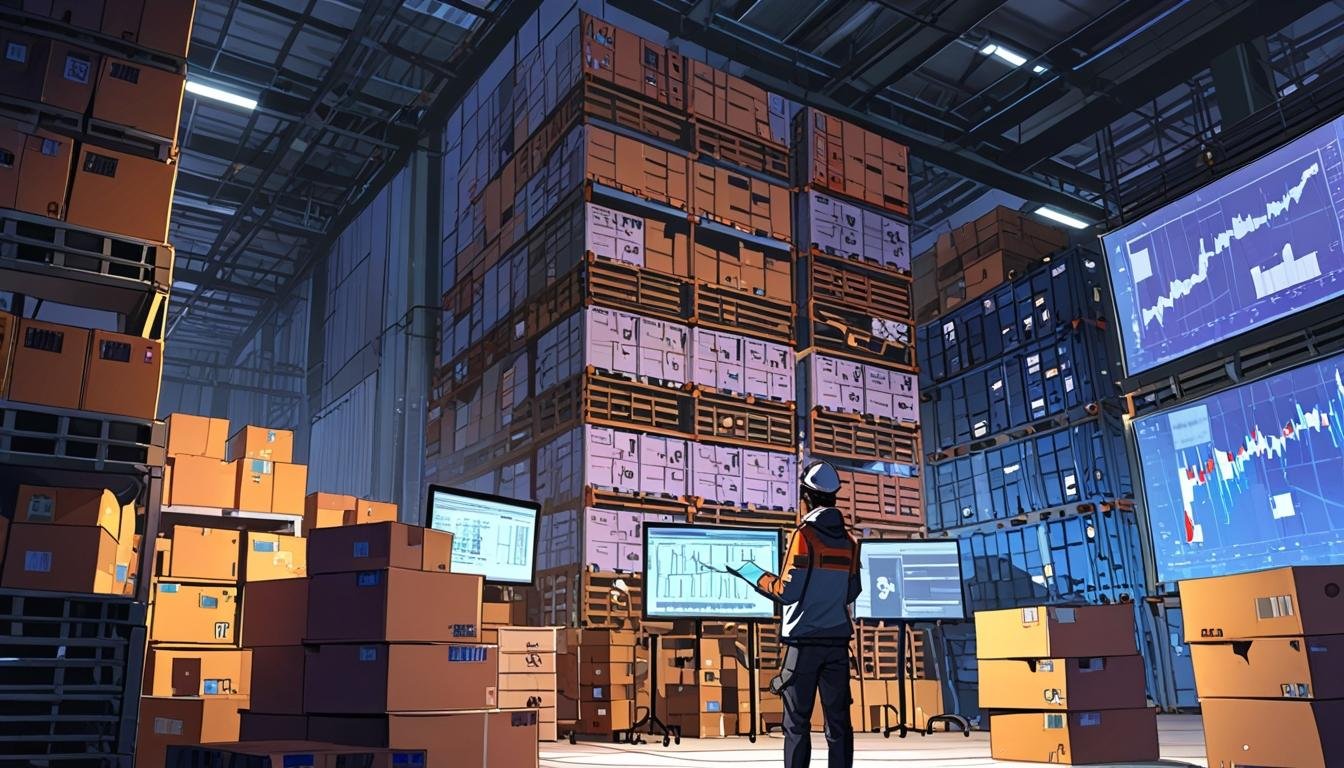
**London**: The imposition of tariffs on imports has prompted businesses to rethink their supply chain strategies. Experts emphasise the importance of risk assessment, alternative sourcing, and leveraging AI technologies to enhance resilience against ongoing geopolitical disruptions and operational challenges in procurement.
The current landscape of supply chain management is marked by ongoing disruptions that have become increasingly commonplace, particularly following the announcement by the Trump administration concerning tariffs imposed on imports from Canada, Mexico, and China. This development has heightened uncertainty related to procurement and supply chain functions, majorly affecting businesses that now face the challenge of navigating the implications of such tariffs.
The imposition of tariffs necessitates a comprehensive evaluation of supply chain strategies as companies must explore various scenarios regarding tariff impacts and develop both short-term and long-term responses. The need for robust modelling capabilities and strategic re-evaluations is underscored, with businesses called upon to thoughtfully analyze the downstream effects of these tariffs on global supply chains.

As outlined by Mita Gupta, executive vice president and business unit head at WNS Procurement, organisations must adopt a multifaceted approach to tackle supply chain disruptions. The primary actions include evaluating supplier exposure and identifying alternative sourcing options. For instance, some companies may seek to mitigate tariff impacts by prioritising U.S.-based suppliers, despite potentially higher costs, as the absence of tariffs can balance this expenditure. Additionally, strategies such as nearshoring, which involve shifting procurement to geographically proximate countries with advantageous trade agreements, may bolster resilience against geopolitical risks while remaining cost-effective.
To maintain an acute awareness of evolving tariff scenarios, businesses are encouraged to implement continuous monitoring practices. The potential for retaliatory measures emerged even early in February when the European Union voiced strong opposition to possible U.S. tariffs on steel and aluminium, indicating a readiness to respond with countermeasures affecting American products. Organizations are therefore advised to conduct regular risk assessments bolstered by digital tools capable of processing large data sets for effective decision-making.
Moreover, businesses are urged to expect inevitable cost increases amid the current tariff volatility. Factors such as rising energy prices can influence overall expenditures significantly. Effective procurement strategies, such as aligning financial planning with CFOs for measures like spending freezes, can aid in sustaining profitability.
The integration of technology into contingency planning also plays a vital role in adapting to the impacts of tariffs. Solutions powered by generative artificial intelligence (GenAI) are available to assist firms in modelling possible cost fluctuations and supplier impacts. Businesses that have invested in AI technologies can leverage these tools to refine their procurement strategies accordingly, predicting how tariffs may affect their supply chains.
Furthermore, organisations are encouraged to optimise inventory management, ensuring that safety stock levels of essential materials are strategically reviewed. AI-assisted demand forecasting can offer insights for refining inventory approaches, thereby balancing the need for operational continuity against the risks of overstocking.
The exploration of innovative supplier payment strategies is another avenue businesses can adopt to alleviate the financial impact of tariffs. Collaborating with suppliers to establish structured payment terms, such as extended payment cycles or dynamic discounting, can provide crucial support while maintaining robust supplier relationships.
Ultimately, the imperative is clear: businesses must focus on building supply chain agility and long-term resilience to face the dynamic challenges of economic and political landscapes. This necessitates the seamless amalgamation of digital technologies with human expertise, creating a framework that empowers organisations to respond proactively and informedly to emerging risks. By leveraging advanced technologies like AI alongside knowledgeable professionals, companies can navigate disruptions more effectively and ensure that their supply chain operations remain resilient and adaptive, well-prepared to meet future challenges.
Source: Noah Wire Services