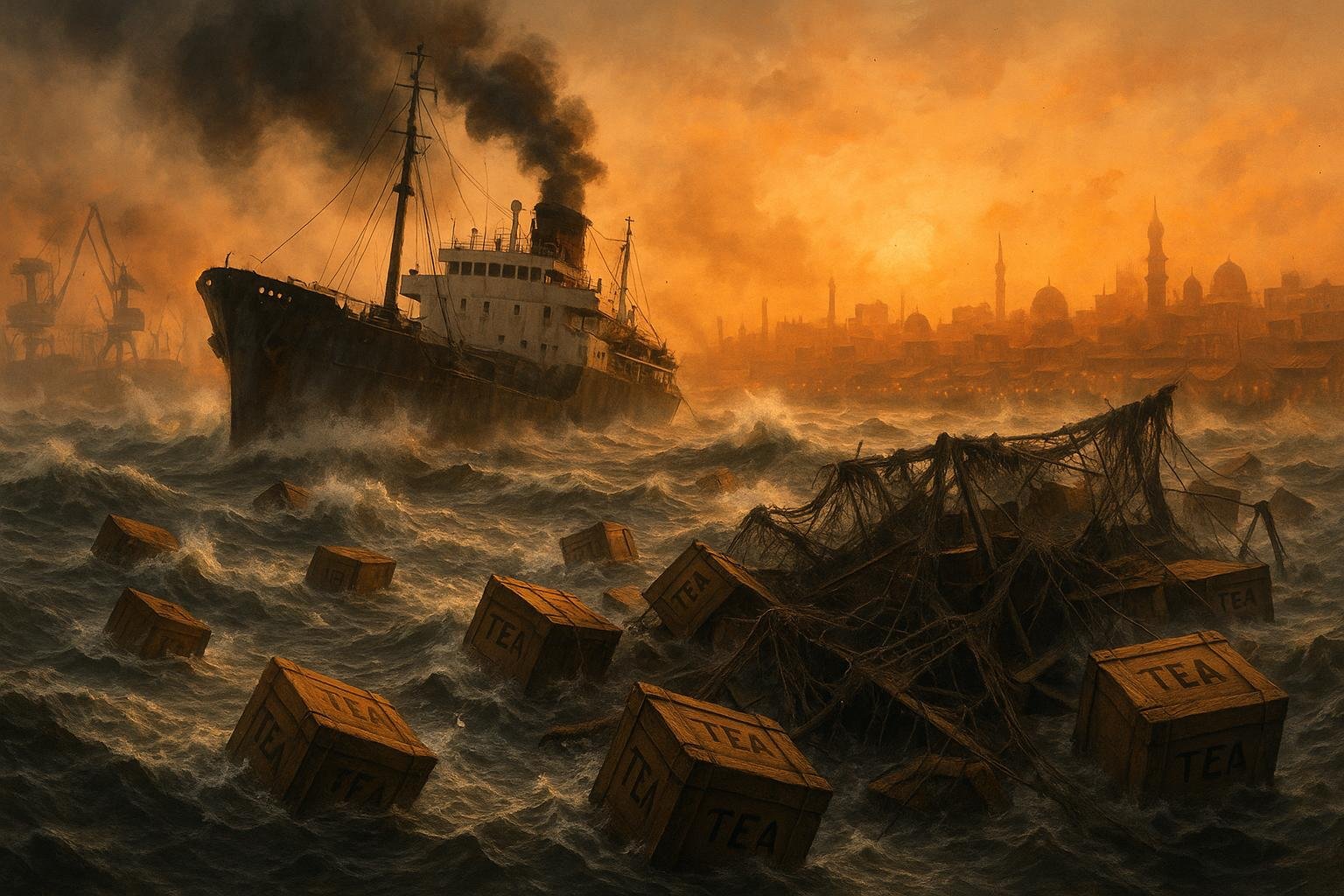
As the conflict centred on Iran has widened maritime risk and upended insurance and shipping networks, major tea-producing nations are reporting acute supply-chain breakdowns that threaten export revenue and rural livelihoods.
Kenya’s tea trade has been among the hardest hit. Warehouse manager Erick Onyango told Al Jazeera, “The warehouse is full right now because the teas are not moving,” a picture echoed by industry groups and ministers. The East African Tea Tra...
Continue Reading This Article
Enjoy this article as well as all of our content, including reports, news, tips and more.
By registering or signing into your SRM Today account, you agree to SRM Today's Terms of Use and consent to the processing of your personal information as described in our Privacy Policy.
de Association and reporting by regional outlets estimate between 6,000 and 8,000 tonnes of Kenyan tea, valued at roughly $23–24 million, remain stranded at the port of Mombasa. The backlog has forced some firms to place staff on temporary leave and left auction floors unusually quiet. According to the Tea Board of Kenya, Iran imported about $32.8 million of Kenyan tea in 2024, and Pakistan alone accounted for a large share of Kenyan exports last year. Government figures and media reports put the immediate economic toll at hundreds of millions of shillings weekly, with one official estimate of Ksh300 million lost per week and industry calculations of cumulative foregone business running into the billions of shillings. Closure of key transshipment hubs such as Salalah and broader route suspensions have amplified the disruption, depriving exporters of access to traditional markets and leaving cargoes unsaleable or unshippable.
Sri Lanka is likewise confronting severe export interruption. According to the Financial Times, the escalation of hostilities since 28 February 2026 has impaired shipping corridors, reduced marine insurance availability and rendered calls to many ports commercially unviable. Ten principal markets that took roughly 43 million kilograms of Ceylon tea in 2025, and as many as a further dozen destinations, have seen deliveries interrupted as carriers withdraw services and vessels are denied entry. Industry sources and local reporting place the cost to Sri Lankan exporters at about $10–15 million per week, and ministers have urged traders to limit additional consignments to harbours to avoid exacerbating port congestion.
In India, producers in the Darjeeling hills have warned that fuel constraints are threatening the vital first-flush harvest. The Darjeeling Tea Association has sought emergency relief from the Ministry of Petroleum and Natural Gas for access to liquefied petroleum gas, a key input for processing, emphasising that the industry supports tens of thousands of local workers. Business reporting notes that first- and second-flush teas account for a minority of volume but a disproportionate share of region revenue, and that India’s record export volumes in 2025, reported at 281 million kilograms valued near $1 billion, were heavily dependent on Middle Eastern markets, which now face elevated risk.
Vietnam’s tea sector is also feeling the fallout. Producers are reporting fuel shortages, logistical breakdowns and returned consignments, with some shipments bound for Afghanistan sent back mid-route. Local officials in Lao Cai Province say around 1,400 tonnes of tea remain unsent at the commune level, and provincial authorities are seeking loan-interest subsidies to keep harvesting operations viable for roughly 3,000 seasonal workers. Company representatives warn that a large share of Vietnamese tea, almost half the 2025 exports, moves to Pakistan and from there often onwards to Afghanistan, making the market exposure acute. Than Ngu of Vostea observed that Vietnam has become heavily dependent on Afghanistan over decades and argued that many Vietnamese teas have been adapted to Afghan tastes with additives and processing methods that hinder simple redirection to alternative buyers. “Vietnam depends too much on the Afghanistan market,” he said. “About 50% of Vietnamese tea goes to Afghanistan.” He added that roughly half of those teas would be difficult to place elsewhere without changes in quality and cleanliness.
Across the affected countries, exporters face a twin squeeze: physical confinement of stock at ports and the commercial unviability of voyages due to insurance withdrawal and heightened war risk surcharges. Industry associations warn that prolonged interruptions will not only reduce near-term foreign exchange receipts but also raise long-term costs for smallholders and plantation workers through deferred payments, loan servicing pressures and possible reductions in planting and maintenance.
Some governments are already responding with relief measures and appeals to trading partners. Kenyan and Sri Lankan ministers have publicly quantified losses and called for policies to slow arrivals of new shipments to already congested harbours. Vietnamese local authorities are seeking targeted financial support to sustain field operations. Indian industry bodies have petitioned for prioritised fuel allocations during critical production windows.
Analysts say the crisis highlights the fragility of commodity chains that rely on narrow maritime corridors and concentrated destination markets. Diversifying buyers, adapting processing to meet different quality standards and expanding regional logistics capacity are among the policy and commercial responses being discussed by trade groups. For now, however, exporters and labour forces across East Africa, South Asia and Southeast Asia face weeks if not months of elevated uncertainty as shipping routes, insurance markets and geopolitical tensions evolve.
Source: Noah Wire Services