


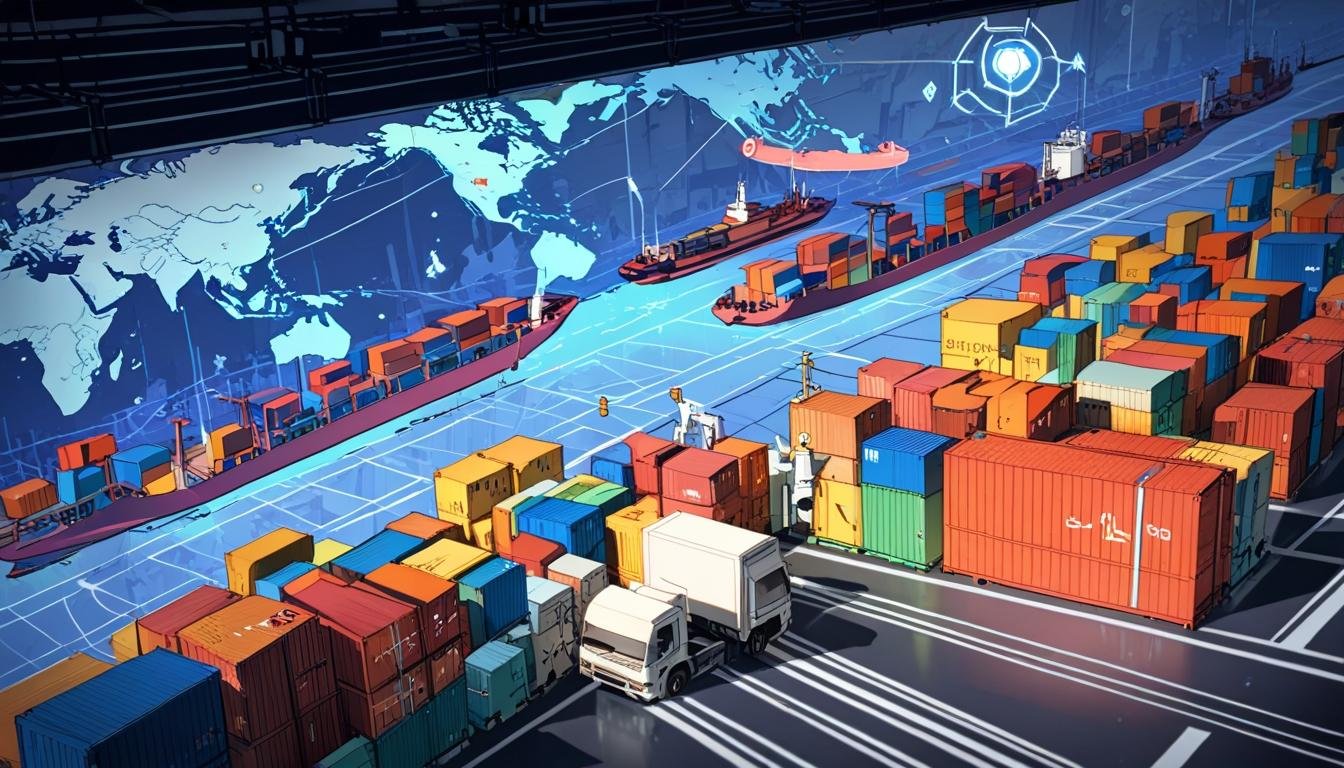
**London**: As global supply chains confront unprecedented disruptions, mergers and acquisitions gain momentum, particularly in the logistics and warehousing sectors. Recent data reflects a 32% increase in deal value, signalling growing confidence in companies seeking to enhance resilience and adapt to shifting market conditions.
Global supply chains are facing unprecedented disruptions caused by a myriad of factors, including geopolitical tensions, the lingering effects of the COVID-19 pandemic, trade wars, and a general rise in protectionist policies. These challenges have led to significant supply bottlenecks and have hindered the efficient flow of goods in the marketplace.
In response to these challenges, mergers and acquisitions (M&A) are increasingly being viewed as a strategic avenue for companies to enhance their supply chain resilience. By either consolidating resources closer to their operational bases or leveraging new technologies to optimise their processes and reduce costs, businesses are focusing on strengthening their supply networks.

Recent data indicates a marked increase in M&A activity, particularly within the logistics and warehousing sectors. In 2024, there were 116 deals in this area totalling approximately US$9 billion, representing a 32 percent increase in deal value year on year and a 12 percent uptick in deal volume. These figures signal a notable recovery and growing confidence in supply chain-related transactions across various sectors.
The largest deal recorded in this sector for 2024 involved the acquisition of French logistics company Staci by Belgian firm bPost for US$1.4 billion. This acquisition, which includes Staci’s network of 79 logistics hubs spanning over 900,000 square metres, exemplifies bPost’s strategic shift from being a traditional postal operator to a versatile third-party logistics provider.
Several key trends are driving the rising opportunities in supply chain M&A. The logistics segment remains heavily fragmented, particularly in regions such as Brazil, where the top ten logistics companies command less than three percent market share. This fragmentation is expected to facilitate a continuous stream of M&A deals in the foreseeable future.
The concept of nearshoring, where companies shift their production operations to nearby countries, has also gained traction due to ongoing geopolitical tensions, especially between the United States and China. Recent surveys indicate that 68 percent of shippers believe there is a pressing need to rebalance supply chains towards more local and regional solutions. In 2023, Mexico became the largest trading partner of the United States, surpassing China, a shift that is anticipated to intensify M&A activity in the region. However, potential tariffs and changes to existing trade agreements may complicate this trend.
Digitalisation is further propelling M&A activity, as businesses increasingly adopt advanced technologies to streamline their operations and enhance cost efficiencies. The global digital logistics market is projected to grow significantly, expanding from an estimated US$22 billion in 2024 to over US$81 billion by 2029. As demand for performance data and tracking from logistics providers rises, companies in the sector are motivated to enhance their digital capabilities. An example of this trend can be seen in Blue Yonder’s acquisition of German software company flexis AG, aimed at optimising production and transport planning.
Despite the optimistic outlook for supply chain-related M&A, challenges persist. Regulatory scrutiny and heightened environmental, social, and governance (ESG) concerns may complicate transactions, necessitating a more thorough approach to due diligence. In Europe, the forthcoming implementation of the EU Corporate Sustainability Due Diligence Directive is expected to enhance scrutiny of supply chains, pushing companies towards increased transparency and sustainability. New laws focused on sustainability, including those addressing deforestation and forced labour, are prompting companies to conduct more extensive due diligence to mitigate risks before transactions take place.
The outlook for M&A activity within supply chains appears positive, as companies seek to fortify their operations against external disruptions. The ongoing advancements in technology within logistics and warehousing present attractive opportunities to improve efficiency. Furthermore, as the trend of nearshoring continues to gain momentum, particularly in desirable locations, increased competition is expected to drive further M&A activity.
While obstacles remain—particularly in terms of regulatory requirements and growing social and environmental pressures—businesses that prepare adequately for these challenges will be positioned to navigate upcoming opportunities and achieve long-term growth.
Source: Noah Wire Services

