


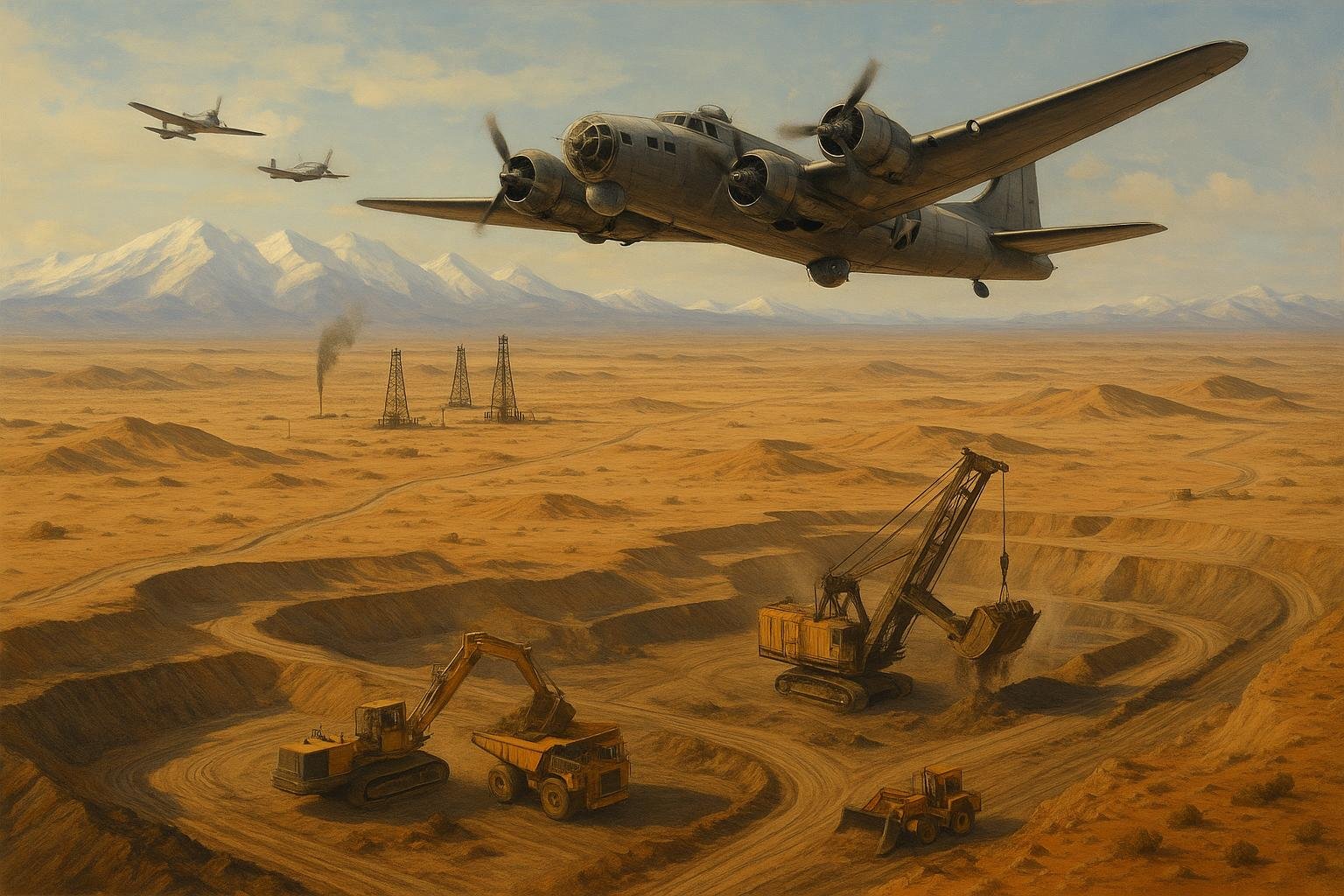
Iran and Washington are secretly advancing sector-specific negotiations on oil, mining, and aircraft deals, with potential implications for global commodities and regional stability, amid cautious progress and complex legal hurdles.

Tehran and Washington have quietly moved energy, mining and civil aviation to the centre of a structured, sector-by-sector diplomatic engagement, officials and regional reporting say, a shift that could ripple through global commodity market...
Continue Reading This Article
Enjoy this article as well as all of our content, including reports, news, tips and more.
By registering or signing into your SRM Today account, you agree to SRM Today's Terms of Use and consent to the processing of your personal information as described in our Privacy Policy.
According to Brussels Morning, the current discussions focus on phased oil production plans, joint mining projects and limited commercial aircraft procurement, with technical working groups assessing frameworks intended to balance economic opportunity with legal and regulatory constraints. Industry observers say even modest, verifiable changes in Iranian output would be material for benchmarks such as Brent crude; an energy analyst involved in consultations warned, “Market stability depends on predictable production frameworks and credible compliance mechanisms.”
Iranian officials have framed the approach as part of a broader push to secure a nuclear agreement that would yield economic benefits, Reuters and regional outlets report. TBS News and Al-Monitor cite Iranian diplomats saying energy, mining and aircraft deals are on the table as negotiators seek a package of incentives tied to nuclear commitments. Those reports come as wider diplomacy has been accompanied by demonstrable regional military posturing: U.S. officials told Reuters they have repositioned a second aircraft carrier to the region and prepared for contingency operations should talks fail.
Mining and critical minerals have become integral to the talks, industry sources say, reflecting the strategic weight of copper, zinc, iron ore and rare earths for clean-energy technologies and aerospace supply chains. According to analysts familiar with the consultations, cooperation on extraction technology, environmental safeguards and logistics could ease bottlenecks in global manufacturing while offering Iran a route to diversify its economy. Government figures and trade data show that secure, diversified access to such minerals is now a policy priority for many industrialised states.
Civil aviation appears to be positioned as a limited confidence-building sector. Iran’s commercial fleet has long been hampered by procurement and spares restrictions, and aviation deals carry substantial regulatory and licensing complexity. A senior diplomatic official quoted in Brussels Morning framed such transactions as a means to generate incremental trust, saying, “Incremental economic cooperation can create structured pathways toward broader stability.” Aviation regulators and manufacturers are treating any prospective sales cautiously, aware of the export-control and insurance implications.
Sanctions architecture and legal compliance remain a central hurdle. Experts and government advisers emphasise phased implementation, transparent benchmarks and robust monitoring to prevent backsliding. Past efforts at economic engagement, analysts note, foundered where compliance mechanisms were ambiguous or politically fragile; Wikipedia’s contemporary accounts of the 2025–2026 negotiations underline the episodic nature of earlier rounds and the importance of durable verification arrangements.
Markets have reacted with guarded volatility. Following confirmation of structured talks, oil futures showed short-term swings while equities in mining and aerospace sectors were repriced to reflect potential long-term demand shifts. Institutional investors, according to market commentary, are particularly focused on enforceability and predictability before reallocating substantial capital to Iran-linked projects.
The diplomatic choreography is taking place against a tense regional backdrop. AP reporting and other outlets describe multiple rounds of indirect nuclear talks mediated in locations such as Muscat and Rome, with U.S. leaders publicly describing discussions as constructive even as sanctions and targeted measures against Iran’s oil networks continue. AP further documents Tehran’s insistence on keeping talks focused on nuclear issues while rejecting broader demands on missile programmes. That narrow scope may constrain the speed and scale of any energy or mining commitments.
Domestically, both capitals face political pressures that could shape the talks’ trajectory. Iranian leaders emphasise infrastructure modernisation and economic openings; in Washington, lawmakers seek reassurance that commercial openings will not compromise security objectives. Analysts say sustained progress will require consistent messaging and cross-branch coordination in both countries.
If technical consultations yield enforceable, phased agreements, the global effects would likely be broad: modest increases in Iranian hydrocarbons could ease short-term price pressures, while coordinated mineral supply deals might reduce strategic bottlenecks in renewable-energy and high-tech manufacturing chains. Conversely, the failure of talks would preserve current market uncertainties and sustain the premium on energy and strategic-metal insurance and logistics.
For now, sources say the process is deliberate and incremental. Delegations continue expert-level work behind closed doors, and most observers expect gradual, verifiable milestones rather than a single comprehensive accord. Whether sector-specific arrangements translate into durable, wider normalisation will hinge on legal precision, international oversight and political continuity in both Tehran and Washington.
Source: Noah Wire Services
Subscribe to Industry Updates

