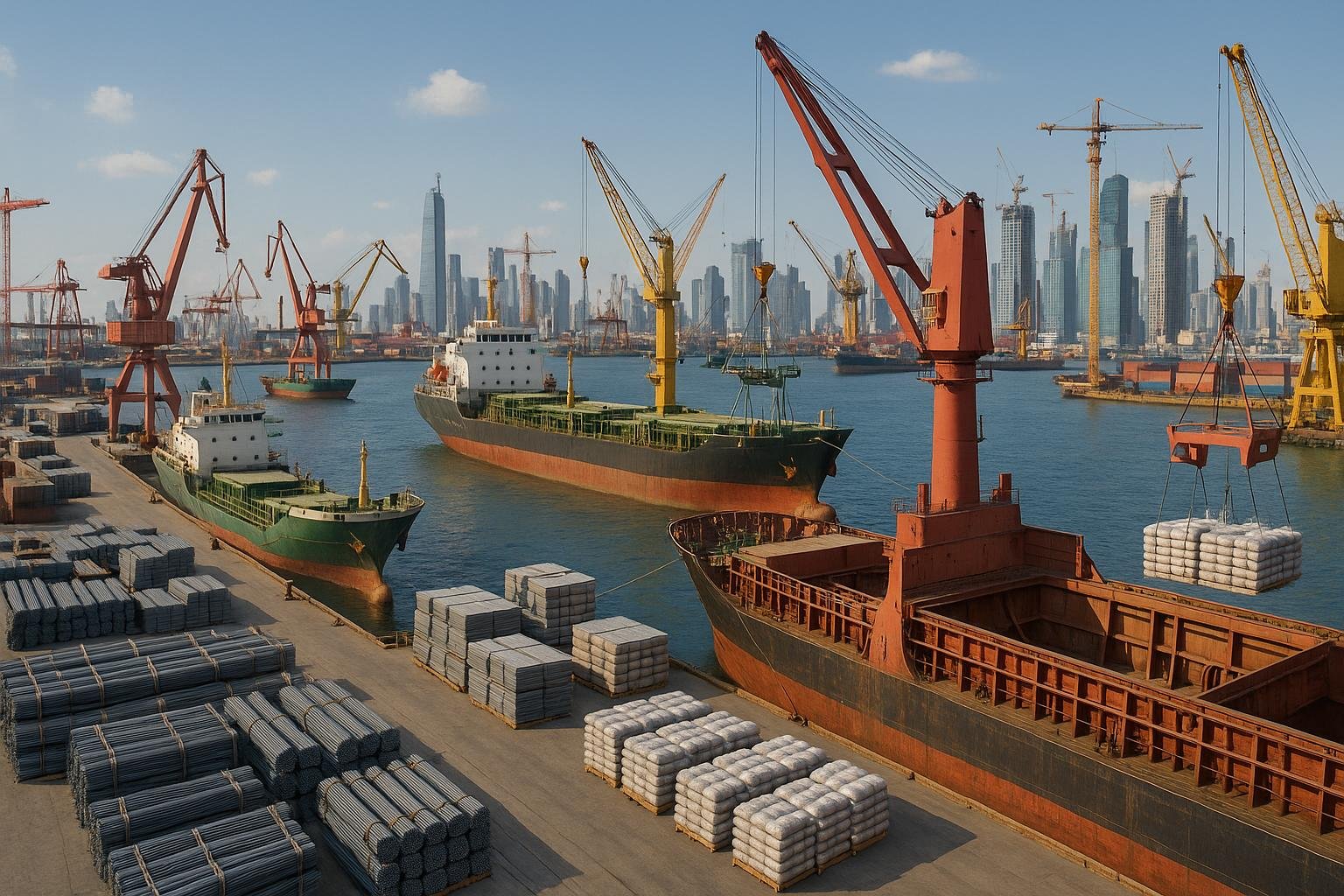
The prolonged closure of the Strait of Hormuz threatens to drive up prices for key construction materials worldwide by raising energy and freight costs and disrupting supply chains, according to a study by global construction consultant Linesight.
Linesight warns that continued restrictions on the narrow waterway between Iran and the United Arab Emirates , through which around a fifth of the world’s oil passes , are already feeding through to higher production and transport c...
Continue Reading This Article
Enjoy this article as well as all of our content, including reports, news, tips and more.
By registering or signing into your SRM Today account, you agree to SRM Today's Terms of Use and consent to the processing of your personal information as described in our Privacy Policy.
osts for aluminium, steel, copper and cement. “Recent disruption is not about a single event, it is the accumulation of energy volatility, constrained logistics and geopolitical risk across multiple routes,” Linesight vice‑president Derek McNamara said in the report.
Aluminium emerges as particularly exposed. Gulf states account for roughly nine per cent of global aluminium output but depend on imported bauxite and alumina for refining, and recent interruptions to gas supplies have forced at least one Qatari smelter to suspend operations on 3 March while Aluminium Bahrain has halted shipping, Linesight says. Industry observers report aluminium prices have climbed by nearly 10% since the blockade took effect, with more than five million tonnes historically moving through the strait each year, according to Vilpe.
Steel and cement face similar pressure because their manufacture consumes large quantities of energy. Rising gas and diesel prices are increasing furnace and kiln costs, while heavier materials such as cement are vulnerable to rapidly rising freight charges as vessels are diverted along longer routes. Vilpe estimates rerouting ships via the Cape of Good Hope adds 10–15 days to deliveries and can raise freight costs by 30–50%. Linesight cautions that a brief disruption may be absorbed, but a sustained period of elevated energy and shipping costs would effectively reset cement price baselines across multiple regions.
Copper prices are also threatened by ancillary supply shocks. Although the Gulf is not a major copper producer, it supplies large volumes of sulphur, a by‑product of oil and gas extraction that is necessary to make sulphuric acid used in copper ore processing. Linesight says the conflict imperils nearly half of global sulphur exports, creating a risk of acid shortages at smelters and further upward pressure on copper costs.
Market indicators and industry sources corroborate the consultant’s analysis. Producer price data show building‑materials costs rising: the producer price index for materials and services used in non‑residential construction increased marginally month‑on‑month and was up over 3% year‑on‑year from February 2025, driven by metal price gains, according to analysis circulated by industry group AGC Florida. Energy markets have surged in parallel; reports place oil above $100 per barrel and, in some summaries, above $110, while European natural gas prices have jumped by more than 60% since the crisis began, contributing to higher manufacturing expenses across supply chains.
The blockade has also prompted commercial suppliers to consider passing costs to buyers. Travis Perkins, a major UK building‑materials supplier, said in recent industry communications it has received notices from manufacturing partners that they are contemplating energy surcharges or price hikes. “In the last week or so, we’ve had communications from various manufacturing suppliers of ours saying they’re looking at energy surcharges or they’re looking at price increases to counteract energy rises,” Travis Perkins CEO Gavin Slark said.
Beyond raw materials, the disruption is amplifying wider supply‑chain stress. Higher diesel and freight costs are increasing hauling and on‑site operating expenses for contractors, contributing to project delays and postponements as owners reassess budgets. Financial and investor commentary warns that consumer and industrial sectors reliant on Asian manufacturing will feel knock‑on effects, with apparel and other goods already facing margin pressure from tariffs and now from energy and shipping shocks.
The wider humanitarian and geopolitical backdrop is severe. The conflict escalated with strikes that began on 28 February and have caused extensive damage across Iran and the region; humanitarian assessments cited in reporting attribute damage to tens of thousands of civilian buildings inside Iran. Iranian reprisals and threats to energy infrastructure have reduced traffic through the Hormuz corridor, and commentators note that even if the strait reopens, it may be some time before flows return to prior levels.
Linesight’s findings underline the interconnected nature of the current crisis: from immediate spikes in oil and gas prices to constrained logistics and shortages of feedstocks such as sulphur, a continued blockade risks a sustained rise in construction‑material costs that would filter through to developers, contractors and end customers worldwide.
Source: Noah Wire Services