


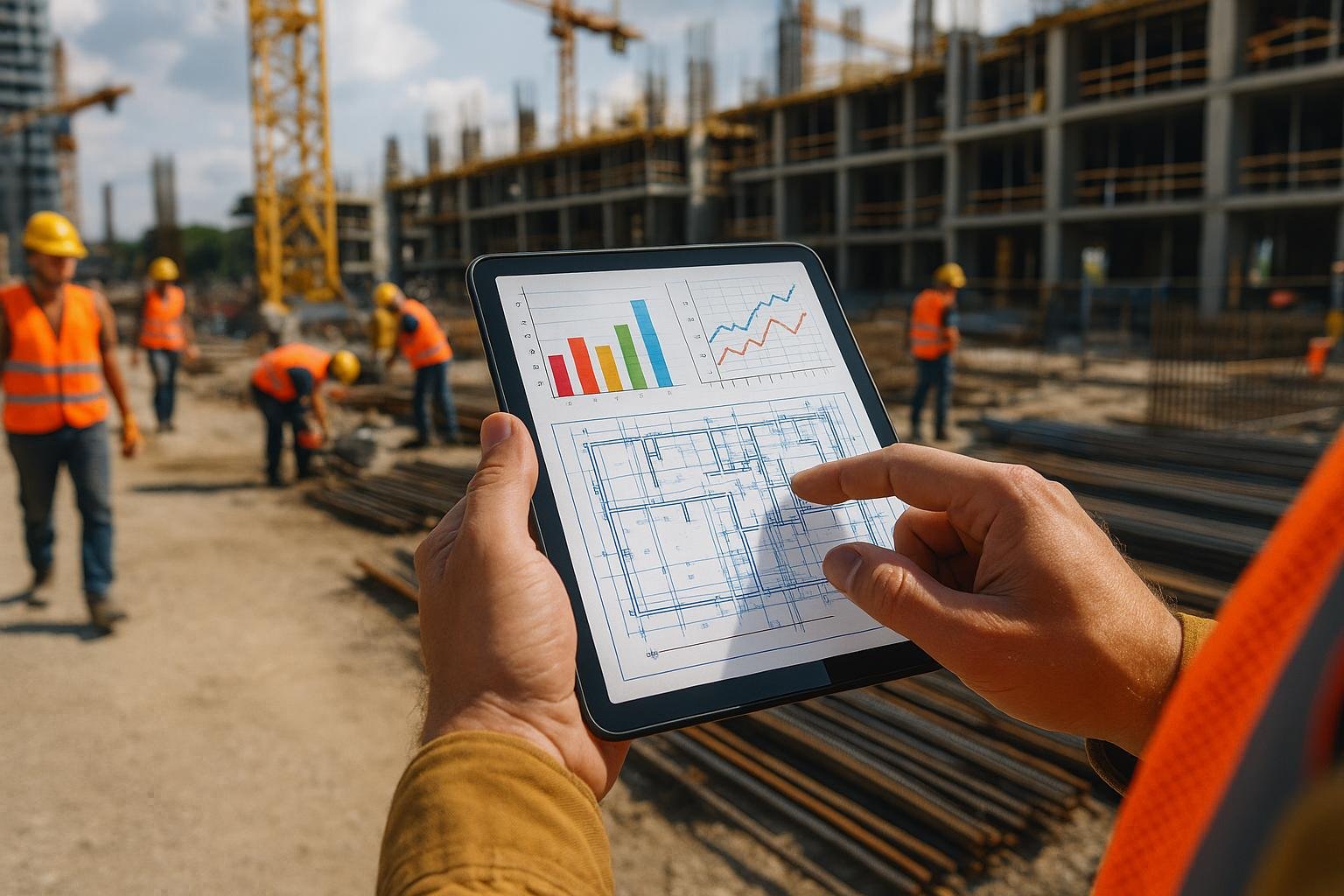
Construction firms are increasingly implementing sector-specific, mobile-first procurement solutions to address complex project management challenges, enhance visibility, and improve profitability amid volatile material costs and regulatory demands.

The construction industry manages some of the most complex procurement operations in any sector, grappling with multi-million-dollar projects, thousands of suppliers, mobile workforces, and razor-thin margins. According to r...
Continue Reading This Article
Enjoy this article as well as all of our content, including reports, news, tips and more.
By registering or signing into your SRM Today account, you agree to SRM Today's Terms of Use and consent to the processing of your personal information as described in our Privacy Policy.
A fundamental challenge for construction companies is tracking project-based costs across numerous job sites, each with its own budget, timeline, and material requirements. Generic ERP or spreadsheet tools fall short in providing the crucial real-time visibility needed. Common pain points include materials being ordered to the wrong locations, budget overruns going unnoticed for weeks, and laborious manual reconciliation of purchase orders against project costs. Addressing these challenges requires procurement platforms specifically designed to allocate expenses by job site or project phase, enabling field teams to create requisitions directly from mobile devices and automatically link expenses to correct project codes. As one construction client noted, setting up a $50 million project can take as little as 15 minutes, with seamless on-site operation, dramatically transforming procurement management in field conditions.
Managing the extensive network of suppliers and subcontractors involved in construction projects is another critical hurdle. Hundreds of suppliers, each with distinct contractual terms and compliance requisites, demand consistent onboarding, insurance verification, and performance tracking. Without centralized supplier management systems, firms face inconsistent onboarding, limited visibility into subcontractor reliability, and time-intensive manual compliance checks. Modern procurement solutions offer vendor databases enriched with performance metrics, automated insurance alerts, and supplier scorecards to pinpoint the most reliable partners. The availability of historical vendor data supports smarter supplier selection and reduces qualification delays, bolstering both compliance and operational efficiency.
Mobile accessibility is indispensable for construction procurement given that most teams operate on-site rather than from a central office. Traditional desktop-focused systems impede timely requisition approvals, increase the risk of lost paperwork, and hinder budget checks on the go. Mobile-first platforms equipped with native apps allow field operatives to place purchase orders, approve spends, check budgets, and communicate with suppliers directly from smartphones or tablets—even in areas with poor connectivity, thanks to offline features. Additional capabilities like GPS integration to associate purchases with specific sites and photo capture for delivery verification further enhance control and transparency.
A persistent headache in construction procurement is material cost volatility. Price spikes for essential items like lumber, steel, and fuel can undermine profitability, especially on projects spanning extended periods. Without real-time budget monitoring and cost variance alerts, firms may suffer budget overruns and struggle to track cost fluctuations across multiple suppliers. Procurement tools integrating live pricing catalogs and automated alerts when expenditures approach budget limits help mitigate these risks. One client highlighted that better control over purchase approvals and streamlined processes have eliminated budget overruns and reduced reliance on paper forms, speeding approvals.
Compliance and documentation represent another major procurement strain, with construction projects subject to rigorous regulatory scrutiny, including wage laws, safety standards, and environmental rules. Manual documentation collection and inconsistent audit trails create administrative bottlenecks. Comprehensive procurement platforms with built-in audit trails, digital signature capture, and standardised reporting templates simplify compliance management and ease regulatory inspections, ensuring all approvals and transactions are traceable and properly documented.
The construction sector’s procurement challenges largely stem from the inadequacy of generic, centralized procurement solutions that do not cater to project-based workflows. The most effective platforms embrace a project-centric architecture, mobile-first accessibility, rapid implementation, real-time integration with accounting and project management systems, and construction-specific features addressing industry terminology and compliance demands.
Adopting a phased approach to procurement modernisation is advisable: beginning with core purchase order workflows and mobile access, progressing to integration with financial and project tools along with real-time analytics, and ultimately deploying advanced supplier performance tracking and predictive cost forecasting. This incremental strategy allows companies to gain early value while progressively harnessing more sophisticated capabilities.
Additional industry insights reinforce these findings. Broader procurement challenges in construction include widespread manual and disconnected processes, lack of supply chain visibility, contract delays, and miscommunications, which digital procurement technologies are uniquely positioned to alleviate. Issues like duplicate orders, fragmented material management, invoice disputes, and slow vendor negotiations add layers of complexity that unified, automated platforms can resolve by centralizing communication and streamlining workflows.
Supplier-side difficulties such as unreliable deliveries and quality concerns further necessitate vigilant supplier monitoring and performance assessment enabled by modern purchasing platforms. Establishing robust budgeting practices, strict vendor evaluation criteria, and cohesive stakeholder communication—facilitated by digital tools—are critical for controlling costs and avoiding procurement bottlenecks that impact project timelines and profitability.
Ultimately, construction companies that embrace procurement platforms tailored to the sector’s intricacies unlock measurable benefits including tighter cost control, faster approvals, enhanced compliance, and improved project profitability. Such technology transforms procurement from a frequent source of delays and cost overruns into a strategic competitive advantage, underpinning growth and operational excellence in a challenging industry landscape.
Source: Noah Wire Services
Subscribe to Industry Updates

