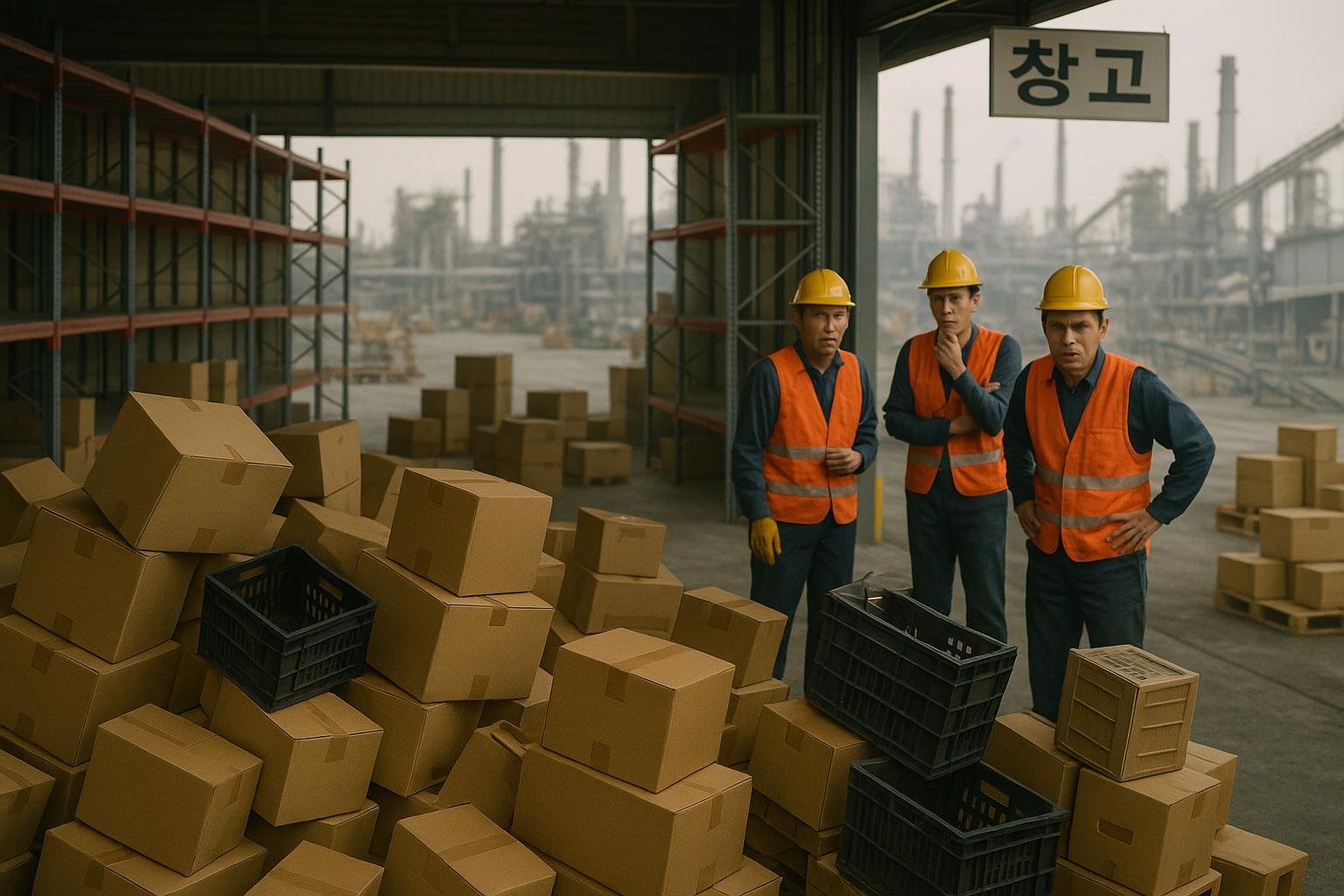
Across Asia, the escalating conflict in the Middle East is precipitating a severe energy crisis that is profoundly disrupting supply chains and manufacturing processes, pushing prices of essential materials to record highs. From staple food items like instant noodles and crisps to consumer goods such as cosmetics and toys, industries are grappling with unprecedented shortages and cost surges in raw materials, notably plastics and rubber, which are vital for packaging and production.
Continue Reading This Article
Enjoy this article as well as all of our content, including reports, news, tips and more.
By registering or signing into your SRM Today account, you agree to SRM Today's Terms of Use and consent to the processing of your personal information as described in our Privacy Policy.
p>
At the core of this turmoil lies the Strait of Hormuz, a critical maritime chokepoint through which approximately 20% of the world’s oil and liquefied natural gas transit. This narrow waterway, situated along Iran’s southern coast, is pivotal for the flow of crude and refined products predominantly sourced by Asian countries from the Middle East. The ongoing war has severely disrupted these supplies, exposing the region’s vulnerability owing to its high dependence on Gulf oil and petrochemicals.
One of the most pressing bottlenecks is the scarcity of naphtha, a key oil derivative refined from crude and essential in the manufacture of plastics and synthetic rubber. These materials underpin an extensive array of products, including food packaging, agricultural covers, personal care containers, and automotive components. The shortage and price inflation have forced companies across South Korea, China, Japan, and India to reconsider production volumes and pricing strategies.
For example, South Korea’s Samyang Foods, maker of the well-known spicy Buldak instant noodles, has flagged that an extended conflict may severely impact packaging material availability and inflate costs. Since these noodles rely heavily on polyethylene terephthalate (PET) plastics for packaging, also widely used in personal care products, their supply chain vulnerability is acute. Similarly, rival company Nongshim has publicly acknowledged its limited inventory buffer of two to three months for packaging supplies and is preparing for ongoing instability.
In the cosmetics sector, manufacturers are encountering critical shortages of plastic resins needed for containers. Yonwoo, a plastic container maker serving clients such as L’Oreal and Amorepacific, revealed significant challenges in securing raw materials beyond June, stating bluntly: “Without containers, you simply can’t sell the product.” This sentiment was echoed anonymously by a company official, who lamented a lack of substantive contingency plans aside from stockpiling, underscoring the fragile nature of the supply chain.
Other sectors have seen immediate disruptions too. Japanese snack producer Yamayoshi Seika halted production of its famous Wasabeef crisps due to a shortage of heavy oil required to heat the frying boilers. In China’s manufacturing hub of Dongguan, toy producers like Liu Chaonan have warned of imminent price hikes reflective of soaring raw material expenses. Synthetic rubber production, where China accounts for almost half of global output, is poised to drop by around a third in April amid the naphtha shortfall, causing ripple effects for manufacturers of tyres and medical gloves.
Fuel and energy shortages have compounded these supply problems, driving up the costs of petrol, diesel, aviation fuel, and cooking gas, which in turn increase logistical and production expenses. Indian bottled water companies have already reported price hikes linked to costlier plastic bottles and caps. Airlines, supermarkets, and used car dealers are similarly contending with rising operational costs and fluctuating demand.
Consumer response to these disruptions has featured panic buying and stockpiling, particularly in South Korea, where supermarket shelves for items like rubbish bags have seen shortages, prompting purchase limits. A 24-year-old South Korean student voiced concern about impending price hikes in essential goods due to plastic packaging cost inflation, reflecting widespread consumer unease.
Industry insiders stress that the crisis is more than a matter of inflation, it is primarily one of sheer supply paucity. Dominic Desmarais, chief solutions officer at Liya Solutions, noted that clients are willing to absorb significant price increases rather than face interrupted deliveries, illustrating how supply certainty has become paramount amid soaring commodity costs.
The ongoing conflict’s ramifications extend far beyond immediate price spikes. Asian manufacturers are actively adjusting their supply chain strategies, prioritising stockpiling and delivery management amid considerable uncertainty. Nevertheless, with a clouded outlook on when Middle Eastern hostilities will abate, companies and consumers alike are bracing for continued disruption to essentials deeply embedded in everyday life.
According to Reuters and Bloomberg analyses, unless the flow of oil and petrochemicals through the Strait of Hormuz stabilises swiftly, Asia’s energy-dependent industries will face mounting challenges that risk further production cutbacks, inflationary pressures, and possible shifts toward alternative raw materials such as natural rubber. The Financial Times warns that this volatile situation underscores Asia’s acute sensitivity due to its pronounced reliance on Gulf energy imports, a strategic vulnerability vividly exposed by geopolitical tensions.
In summary, the war-fuelled energy crisis has thrust Asia into an unprecedented supply shock affecting a broad spectrum of manufacturing sectors and consumer goods. From farming films in South Korea to synthetic rubber and packaging plastics across China and Japan, the cascade of shortages and soaring prices now threatens to reshape production and consumption patterns with significant economic consequences. The coming weeks will be critical for businesses seeking to navigate this complex environment and for consumers confronting rising costs on everyday items.
Source: Noah Wire Services